Albuquerque sits in a high desert basin where the water table often lies 100 meters or more below grade. That means most foundations, pavements, and excavations here rest on unsaturated soils. ASCE 7 and IBC require that engineers account for the change in shear strength and volume when these soils wet up. We run unsaturated soil analysis to capture that behavior. The key parameter is the soil-water characteristic curve, which we measure in our pressure plate and tensiometer setups. Before any foundation design, we combine this with a clasificación de suelos to identify collapsible or expansive zones. The analysis directly feeds into bearing capacity and settlement estimates under partial saturation. Without it, you risk underestimating heave or collapse once irrigation or stormwater infiltrates the ground.
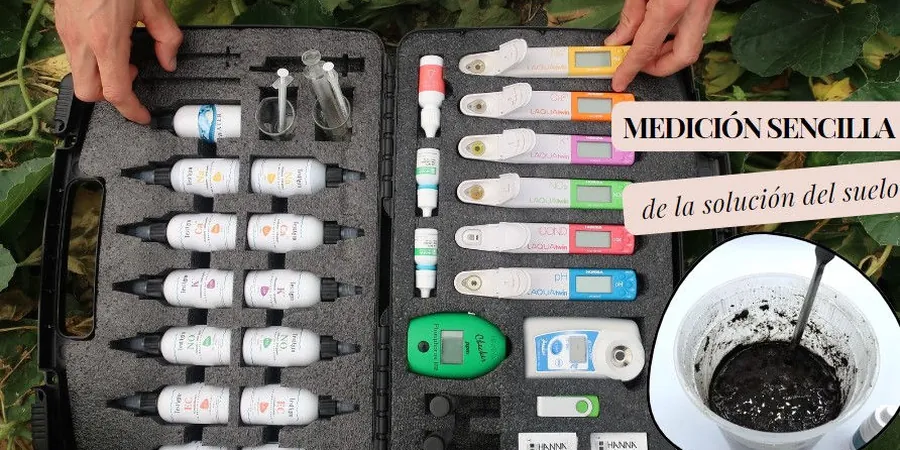
Unsaturated soil analysis in Albuquerque captures the collapse potential of dry sands and the heave of expansive clays before wetting occurs.
Scope of work
Area-specific notes
The Rio Grande Valley around Albuquerque is underlain by the Santa Fe Group — basin-fill deposits of sand, silt, and clay with interbedded gravel. These soils are naturally dry and often exhibit collapse when wetted under load. The same clays can swell 5% to 10% if the moisture content rises. A single monsoon season can trigger differential heave in a neighborhood slab-on-grade. The risk is real: we have seen patio slabs lift 4 cm after a wet winter. Unsaturated soil analysis gives you the numbers to decide if the soil needs pre-wetting, deep foundation, or a moisture barrier. Ignoring it means betting the structure against an unpredictable climate.
Watch how it works
Standards used
ASTM D6836 (SWCC via pressure plate and filter paper), ASTM D5298 (filter paper method for suction), IBC Chapter 18 (expansive and collapsible soil provisions), ASCE 7-22 (site classification and lateral earth pressures), ASTM D2487 (Unified Soil Classification System)
Linked services
Soil-Water Characteristic Curve (SWCC)
Full SWCC determination using pressure plate and tensiometer methods. We measure matric suction from 0 to 1,500 kPa and fit the data to standard models. Results include air-entry value, residual suction, and pore-size distribution index.
Unsaturated Hydraulic Conductivity
Instantaneous profile method on compacted or undisturbed specimens. We report k-function for unsaturated flow modeling. Useful for landfill cover design, slope stability in arid zones, and infiltration basin performance.
Typical parameters
Common questions
How does unsaturated soil analysis differ from standard saturated soil testing?
The reference range for this service in Albuquerque is US$960 - US$2.940. The final price depends on the project scope and volume.
What is the cost range for a full SWCC test in Albuquerque?
The cost for a complete soil-water characteristic curve ranges between US$960 and US$2,940, depending on the number of suction steps and whether we use pressure plate or chilled-mirror methods. Additional unsaturated hydraulic conductivity tests add to the total. We provide a fixed quote after reviewing the project scope.
How long does it take to get results for a typical residential project?
A standard SWCC with five suction steps takes about three weeks. If we also run unsaturated hydraulic conductivity, add another week. For single-family slab-on-grade projects we often recommend starting the test during the design phase so results are ready before excavation.