In Albuquerque, the combination of high desert climate and variable alluvial soils makes infiltration testing a critical step for any project involving stormwater management or on-site wastewater systems. We regularly perform Porchet and double-ring infiltrometer tests to measure the soil's ability to absorb water at the surface and near-surface layers. This data directly informs the sizing of retention basins, infiltration trenches, and leach fields. Before running the test, a careful site inspection identifies soil texture and the presence of caliche layers, which are common in the Albuquerque area and can dramatically reduce permeability. The test itself is straightforward, but interpreting the results for local conditions requires experience with the region's unique soil profiles.
Caliche layers in Albuquerque can reduce infiltration rates by over 90%, making field testing essential for accurate stormwater design.
Scope of work
Area-specific notes
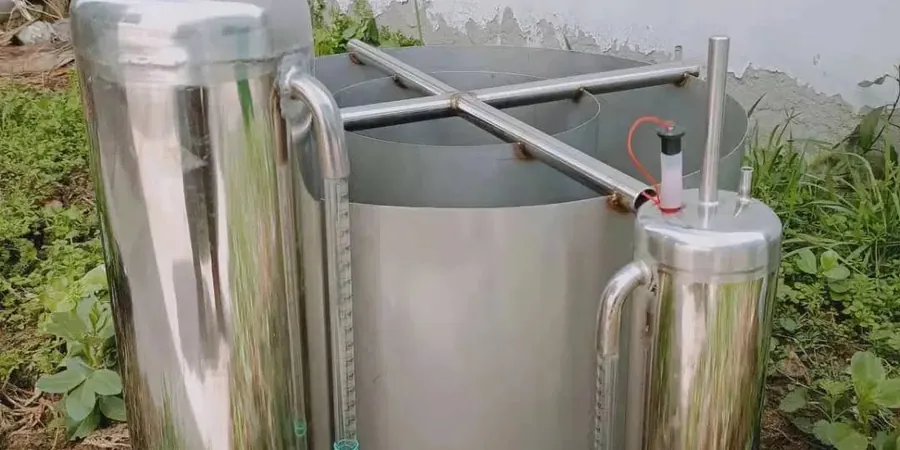
The field crew sets up the double-ring apparatus by driving both rings into the ground to a consistent depth, typically 15 cm, and then filling the outer ring with water. In Albuquerque's arid climate, maintaining a constant head can be challenging because the soil may dry out quickly between tests. We use a Mariotte siphon system to automate water level control and reduce operator error. The main risk is misinterpretation of results when caliche or gravel layers cause preferential flow paths — a single test may not capture the average field behavior. For this reason, we always run multiple tests across the site and compare results against local geological maps.
Standards used
ASTM D3385-18 (Double-Ring Infiltrometer), ASTM D5126-90 (Porchet Method), IBC 2018 Appendix C (Stormwater Design), NM Environment Department Guidelines for On-Site Wastewater
Linked services
Double-Ring Infiltrometer Testing
Standard ASTM D3385-18 test with 30 cm inner ring and 60 cm outer ring. Ideal for stormwater basin design and infiltration trench sizing. Includes constant-head monitoring and data reduction.
Porchet Borehole Test
Single-borehole method for rapid permeability estimates in unsaturated soils. Suitable for preliminary feasibility studies or small-scale projects. Results are reported as Ksat (cm/hr).
Infiltration Testing for Septic Systems
Combined double-ring and borehole tests to determine design infiltration rate for leach fields. Complies with NM Environment Department requirements for on-site wastewater systems.
Permeability Mapping & Reporting
Multiple infiltration tests across the site to generate a permeability contour map. Includes statistical analysis and recommendations for drainage layout. Delivered as a geotechnical report with raw data.
Typical parameters
Common questions
What is the difference between the Porchet and double-ring infiltrometer methods?
The double-ring infiltrometer uses two concentric rings to isolate vertical flow and minimize lateral spreading, giving a more precise Ksat value for surface soils. The Porchet method is a single borehole test that measures infiltration in a vertical hole; it is faster but less accurate in layered or heterogeneous soils. For most Albuquerque projects, we recommend the double-ring method for design-level data and Porchet for preliminary screening.
How many infiltration tests do I need for a stormwater basin in Albuquerque?
For a typical stormwater basin, we recommend a minimum of three double-ring tests per homogeneous soil area. If the site has variable soil types or caliche layers, we increase the number to six or more to capture spatial variability. The exact number depends on basin size and local regulatory requirements.
How much does an infiltration test cost in Albuquerque?
The cost for a standard double-ring infiltrometer test ranges between US$300 and US$440 per test point, including field setup, constant-head monitoring, and a written report. Porchet tests are slightly lower, around US$200 to US$350 per borehole. Prices vary with site access, number of tests, and required turnaround time.