Albuquerque’s growth along the Rio Grande corridor has transformed former industrial zones and rail yards into mixed-use developments, but legacy contamination from decades of manufacturing and fuel storage remains a challenge. Our team approaches contaminated soil remediation in Albuquerque as a multi-phase process that begins with a thorough site investigation and conceptual site model. We integrate historical records review with targeted sampling to identify contaminants of concern, from petroleum hydrocarbons to heavy metals and chlorinated solvents. Before designing a remediation strategy, we often recommend a permeability field test to understand migration pathways and a grain size distribution to characterize the matrix — both critical for selecting the right in-situ or ex-situ approach.
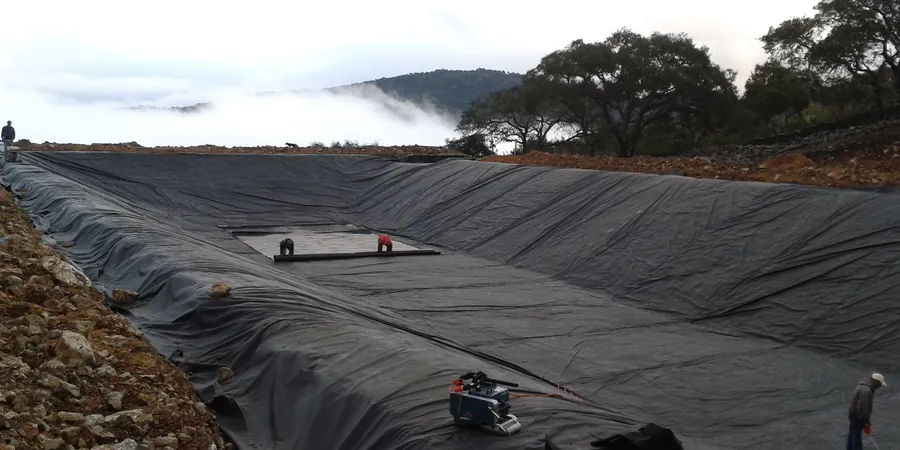
In Albuquerque’s permeable alluvial soils, a single spill can migrate 50 feet laterally in months — early characterization is the single most cost-effective step.
Scope of work
Area-specific notes
At an elevation of 5,312 feet, Albuquerque’s semi-arid climate creates low natural moisture levels that can slow microbial degradation of organic contaminants if not managed properly. The primary risk we see in local projects is underestimating the extent of a plume due to the high permeability of the alluvial sands — a small release can spread rapidly both vertically and horizontally. Our contaminated soil remediation in Albuquerque always includes a detailed hydrogeologic model during the investigation phase to avoid cost overruns later. We use real-time field screening with PID and XRF to map contamination boundaries accurately before mobilizing the remediation crew, which reduces the chance of surprises during excavation or in-situ treatment.
Watch how it works
Standards used
ASTM E1527-21 (Phase I Environmental Site Assessment), ASTM E1903-19 (Phase II Environmental Site Assessment), 40 CFR Part 300 (National Oil and Hazardous Substances Contingency Plan), NMAC 20.1.4 (New Mexico Hazardous Waste Management)
Linked services
Site Investigation and Risk Assessment
We conduct Phase I and Phase II environmental site assessments following ASTM standards, including soil boring, groundwater monitoring well installation, and laboratory analysis for RCWA metals, TPH, BTEX, PAHs, and VOCs. Our reports include a human health and ecological risk assessment to support regulatory decisions and property transfer.
Remediation Design and Implementation
Based on site-specific data, we design and oversee implementation of in-situ and ex-situ remediation technologies — soil vapor extraction, bioventing, chemical oxidation, excavation with off-site disposal, or in-situ chemical reduction. We manage contractor procurement, performance monitoring, and regulatory reporting through the NMED Voluntary Remediation Program.
Typical parameters
Common questions
How long does a typical contaminated soil remediation project take in Albuquerque?
Project duration depends heavily on the contamination type, site size, and regulatory pathway. A simple excavation project with confirmation sampling can take 3 to 6 months, while a complex in-situ bioremediation or SVE system may take 12 to 18 months to reach closure. Our team provides a realistic schedule during the Phase II investigation phase.
What are the most common contaminants found in Albuquerque soils?
Based on our project history, the most frequent contaminants are petroleum hydrocarbons from leaking underground storage tanks (gasoline, diesel, waste oil), followed by heavy metals such as lead and arsenic from former industrial and rail yard activities. Chlorinated solvents like PCE and TCE appear in older dry-cleaning and manufacturing sites.
What is the cost range for contaminated soil remediation in Albuquerque?
The cost range for a full remediation project — from Phase II investigation through regulatory closure — typically falls between US$2.890 and US$14.090, depending on the volume of impacted soil, the chosen remediation technology, and the depth to groundwater. We provide a detailed cost estimate after completing the site characterization phase.
What regulatory agency oversees site cleanup in New Mexico?
The New Mexico Environment Department (NMED) oversees contaminated site cleanup through the Voluntary Remediation Program, the Leaking Underground Storage Tank Program, and the Hazardous Waste Bureau. Our team has extensive experience submitting work plans, confirmational sampling reports, and closure requests to NMED, and we maintain direct communication with site regulators throughout the process.