Albuquerque sits on the Rio Grande rift, where alluvial sands and gravels interbed with clay lenses — a mix that can trick even experienced builders. Many projects here underestimate how variable the subsurface really is until compaction curves start deviating from the reference. A thorough soil mechanics study clarifies that variability by measuring density, moisture content, and shear strength across the site. Before pouring footings, we correlate blow counts from the ensayo SPT to bearing capacity estimates, and we check permeability in the finer layers to anticipate drainage behavior under the slab.
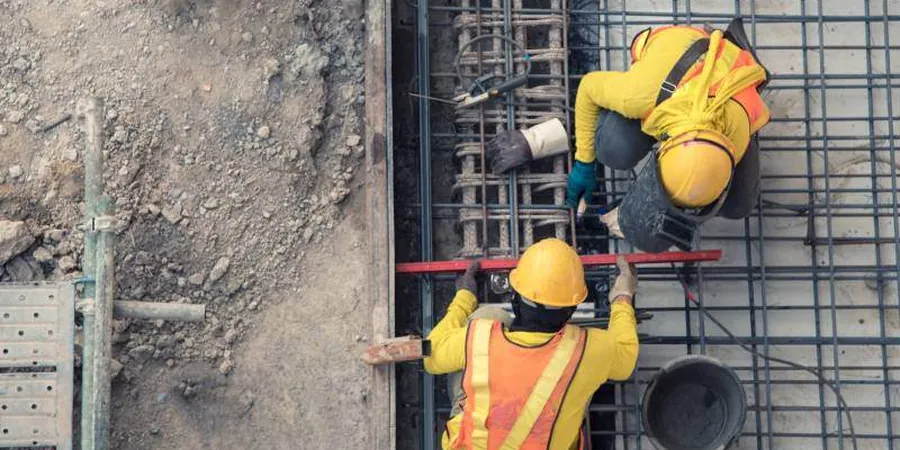
Albuquerque's alluvial profile can shift from loose sand to stiff clay within three feet — only a site-specific study captures that contrast reliably.
Scope of work
Area-specific notes
A truck-mounted drill rig sets up on the street or in the lot, advancing a hollow-stem auger to refusal or target depth. We extract split-spoon samples every 1.5 meters and log the driveline resistance in real time. If the crew hits an abandoned utility or a buried caliche layer, the rod advance stalls and we relocate the boring — that happens in older parts of Albuquerque more than people expect. Missing those hard layers in the log can lead to foundation designs that underestimate settlement potential.
Standards used
ASTM D1586-18 (Standard Test Method for SPT), ASTM D4318-17 (Atterberg Limits), ASTM D698-12 (Standard Proctor Compaction), IBC 2021 (Chapter 18 — Soils and Foundations), ASCE 7-22 (Minimum Design Loads, Seismic Site Class)
Linked services
Field Exploration & Sampling
Boreholes to 15–25 m depth with SPT at 1.5 m intervals, plus undisturbed tube sampling in cohesive layers. We log groundwater strikes and note any obstructions or evidence of previous fill.
Laboratory Characterization & Analysis
Grain-size distribution, Atterberg limits, moisture-density curves, and direct shear or triaxial strength tests. Results are compiled into a report with bearing capacity recommendations and settlement estimates per IBC 2021.
Typical parameters
Common questions
How deep do the borings need to go for a typical Albuquerque residential lot?
Most residential studies in Albuquerque extend to 12–15 m, or until refusal on the cemented sand/gravel layer of the Sunport terrace. Deeper borings (20–25 m) are specified for commercial buildings or sites near the Rio Grande floodplain where soft alluvium extends further.
Does the soil mechanics study include liquefaction analysis for seismic design?
Yes, whenever the groundwater table is within 10 m of the surface and the SPT blow counts fall below 15 in loose saturated sands. We apply the NCEER (Youd-Idriss) simplified procedure to calculate the factor of safety against liquefaction, which feeds directly into the ASCE 7 site class assignment.
How long does it take to get the final geotechnical report?
Fieldwork takes 1–3 days depending on the number of borings, and lab testing adds another 7–10 days. A complete report with bearing capacity values, settlement estimates, and foundation recommendations is usually delivered within 12–15 business days from mobilization.
What is the typical cost range for a soil mechanics study in Albuquerque?
For a standard residential site with two borings and full lab characterization, the cost ranges between US$3,150 and US$5,030. Larger commercial projects with multiple borings, deeper exploration, or seismic analysis can reach higher figures. A detailed quote is prepared after reviewing the project scope and site access.