Albuquerque grew rapidly after the railroad arrived in 1880, pushing development onto the mesas and valley floors. Much of this expansion happened over the Rio Grande's ancient floodplain deposits, where clay-rich soils dominate. These soils shrink when dry and swell when wet, creating real challenges for foundations and slabs. An expansive soil evaluation identifies the shrink-swell potential before you pour concrete. Without it, you risk cracks, heaving, and structural damage within a few seasons. We combine index testing with site observations to give you clear numbers for design. For deeper insight, we often pair this analysis with a laboratory permeability test to understand drainage behavior, or a particle size analysis to confirm soil composition.
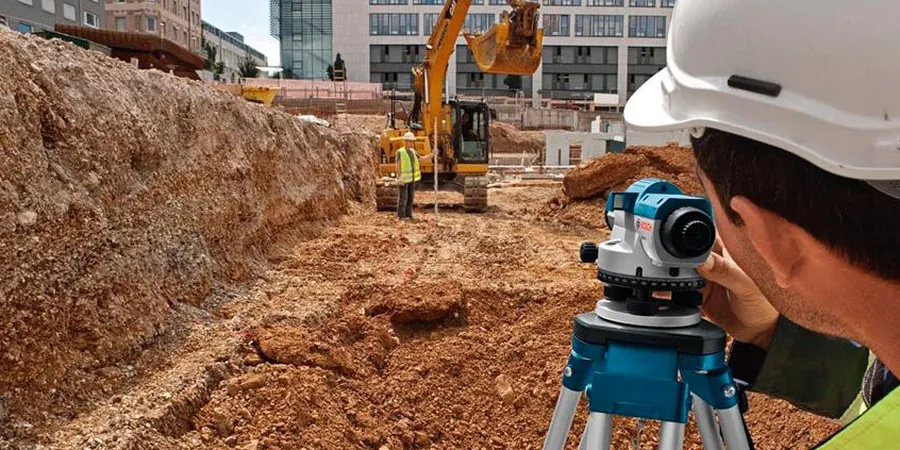
Albuquerque's clay-rich soils can swell over 10% when wetted. Testing before construction prevents foundation heave and slab cracks.
Scope of work
Area-specific notes
In Albuquerque, many times we see slab-on-grade floors that have lifted 3 to 4 inches within two years of construction. The culprit is always the same: expansive clay that wasn't tested before the pour. A foundation designed for a moderate expansion index can fail if the actual swell pressure is three times higher. The risk is highest in areas with shallow clay layers and poor drainage. Roof downspouts and landscape irrigation concentrate water near the foundation, triggering differential movement. An expansive soil evaluation early in the design phase avoids expensive retrofits later. It also helps you decide whether to overexcavate, use chemical treatment, or install a moisture barrier.
Watch how it works
Standards used
ASTM D4318 – Atterberg Limits, ASTM D4546 – One-Dimensional Swell/Collapse, ASTM D2487 – Soil Classification (USCS), IBC Chapter 18 – Soils and Foundations
Linked services
Expansive Soil Index Testing
Atterberg limits, free swell, and expansion index on disturbed and undisturbed samples. Results in 5–7 business days. Includes USCS classification and a written report with swell pressure estimates. Ideal for residential and light commercial projects.
Full Swell Potential Assessment
One-dimensional swell test, suction measurement, and consolidation-swell testing. Includes field sampling at multiple depths and a geotechnical letter with foundation recommendations. Suitable for schools, hospitals, and multi-story buildings.
Typical parameters
Common questions
What is the difference between expansive soil evaluation and a standard soil test?
A standard soil test classifies the soil and measures basic strength. An expansive soil evaluation specifically measures the shrink-swell potential through Atterberg limits, free swell, and swell pressure tests. It answers how much the soil will move when wet and how much force it will exert on a foundation.
How long does an expansive soil evaluation take in Albuquerque?
Field sampling usually takes one day. Lab testing, including swell tests, requires 5 to 10 business days depending on the number of samples and test types. A full report follows within two days after lab results are ready.
What is the cost of an expansive soil evaluation in Albuquerque?
For a typical residential lot with two test pits and index testing, the cost ranges between US$710 and US$1,890. The exact price depends on the number of samples, depth of investigation, and whether swell pressure tests are needed. Contact us for a quote tailored to your project.
Can I build on expansive soil without treating it?
Technically yes, but the risk is high. Without proper evaluation and mitigation, expansive soil can cause foundation heave, slab cracks, and wall displacement. Most building codes in Albuquerque require a geotechnical report that addresses expansive soil when clay is present. Treatment options include overexcavation, chemical stabilization, or post-tensioned foundations.
What treatment options are recommended for expansive soils in Albuquerque?
Common solutions include removing and replacing the top clay layer with non-expansive fill, mixing in lime or cement to reduce plasticity, and installing moisture barriers around foundations. In some cases, deep foundations like piers or drilled shafts are used to transfer loads below the active clay zone. The right choice depends on the swell pressure and the building type.